What to see in Waterloo? Itineraries, must-see sites and expert tips
Waterloo is not just the name of an epic. It is a living place, 20 kilometres south of Brussels, where you literally walk on history while enjoying gentle countryside, inspiring museums and food-filled outings. Whether you are passionate about the battle of 1815, love walking in green surroundings or are looking for an original family day out, this guide helps you plan a clear, practical and rewarding itinerary to make the most of Waterloo and the surrounding area.
The Lion's Mound: a panorama over history
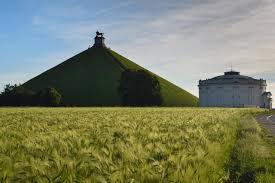
The symbol of the site, the Lion's Mound rises from the fields like a lookout over time. Once you have climbed its steps, the 360° view reveals the lie of the battlefield and lets you place the army movements of 1815. The lion on its pedestal commemorates the Allied victory over Napoleon. With the wind on your face, you can picture the lines and the fortified farms, and better understand the tactics that shaped Europe. Practical tip: arrive early in the morning to enjoy the soft light and avoid the crowds on sunny weekends.
Memorial 1815: an immersive museum to understand the battle
At the foot of the Mound, Memorial 1815 offers a multi-sensory dive into the conflict. 3D films, sound reconstructions, uniforms, maps and authentic objects place 18 June in its political, human and military context. Children enjoy the interactive displays, while history lovers appreciate the precision of the documents. Allow 1 hour 30 minutes to 2 hours for the visit. Tip: take an audio guide in English to follow the chronology of events room by room and come away with a clear picture of what was at stake on the battlefield.
Hougoumont: at the heart of the fighting
Hougoumont Farm, one of the strategic points of the battle, is today a deeply moving place. Its walls withstood the assaults; walking through the courtyard and gardens, you sense how fierce the fighting was. The multimedia installation on site gives a voice to those who were there and puts the importance of this stronghold into perspective. A recommended visit to understand the human side of the battle. Wear good shoes: the country lane leading to Hougoumont, through the fields, is part of the pleasure of discovery.
Mont-Saint-Jean Farm: brewery and the memory of the surgeons
Mont-Saint-Jean Farm served as a hospital for the Allied troops. Now restored, it houses a craft brewery and a small museum dedicated to field surgery. The "Waterloo" beers pay tribute to the local area and are enjoyed in the old courtyard. It is the ideal stop to combine culture with a break for food and drink. If you visit late in the day, take time for a regional dish and an amber beer; the stories about the history of the place, often shared by the staff, add a lovely friendly touch to the outing.
The Wellington Museum: Allied headquarters a stone's throw from the battlefield
Housed in the inn where the Duke of Wellington stayed, this town-centre museum brings together maps, letters and portraits that shed light on the Allied organisation. Far from the roar of the cannons, you discover the strategy, the hesitations and the last-minute communications. It complements Memorial 1815 well: it brings the historical figures to life and links them to the modern town, its shopping streets and its peaceful atmosphere.
Battlefield circuit: on foot or by bike
To get a feel for how the site fits together, nothing beats a circuit. On foot, set off from the Lion's Mound towards Hougoumont and then Mont-Saint-Jean, following the farm tracks that criss-cross the plain. Allow 8 to 12 kilometres depending on the route. By bike, follow the waymarked routes linking the main sites, with gentle undulations but no real difficulty. Take a map (or a hiking app) and stop at the information boards: each stop places the landscape back into the timeline of 18 June.
Beyond the battle: nature and art on Waterloo's doorstep
Waterloo also charms with its relaxed way of life. A few minutes away, the Solvay Regional Estate and La Hulpe Castle invite you on a romantic walk among beech avenues, ponds and meadows dotted with sculptures. The Fondation Folon, housed in a farm on the estate, offers a poetic, light-filled exhibition, ideal to alternate with the historical sites. For a woodland atmosphere, the Sonian Forest (a World Heritage Site for its beech forests) offers family-friendly paths. In spring and autumn, the light there is particularly photogenic.
Waterloo with the family: learning while having fun
With its interactive features, Memorial 1815 speaks to children: uniforms to look at, short films and playful experiences make everything easier to understand. Out in the field, turn the visit into a landmark hunt: "Who will be first to spot Hougoumont in the distance?" A sketchbook can help younger children remember what they see. Finish with an ice cream in town or a lemonade at Mont-Saint-Jean Farm. Bonus tip: plan regular breaks and snacks, as walking through the fields can be tiring for little legs.
Where to eat and taste local produce
The Brabant countryside is reflected in friendly restaurants and characterful brasseries. Around the battlefield, several places serve generous dishes, from stoemp to slow-cooked meats, not forgetting local cheeses. "Waterloo" beer goes well with a Flemish beef stew or an open sandwich with aged cheese. In the town centre, the Chaussée de Bruxelles and its side streets offer contemporary bistros, pastry shops and speciality coffee bars. Book at weekends and, if possible, ask for a terrace table: the low late-afternoon light adds real charm to the meal.
Shopping and the good life on the Chaussée de Waterloo
Waterloo cultivates a peaceful way of life. After your visits, stroll along the Chaussée de Waterloo and its shops: bookshops, home decor, fashion, delicatessens. It is the moment to bring back an edible souvenir — artisan chocolate, biscuits or local beer. If you are travelling light, choose small sizes or sturdy boxes. Shops are generally open from Tuesday to Saturday, and are busiest on Saturday afternoons. On Sundays, check beforehand: some shops open occasionally for events or markets.
When to go and how long to stay
The most pleasant period runs from April to October, when the fields are full of colour and the paths are dry. Winter has its own charm, especially if you are looking for peace and quiet and uncrowded museums. For history enthusiasts, a full day lets you cover the Lion's Mound, the Memorial, Hougoumont and a historic farm. For a stay that balances history and nature, add a second day with La Hulpe and the Fondation Folon. If you only have a few hours, focus on the Mound and the Memorial, a very telling pair.
How to get there and get around
Getting there from Brussels is easy. By train, go to Braine-l'Alleud station (frequent services), then take a local shuttle or bus to the Memorial 1815 site. By bus, regional lines serve Waterloo from several towns in Walloon Brabant. By car, the E19 and E411 motorways have direct exits; car parks are available near the Mound and the historic farms, with clear signposting. Once there, the best option is to combine walking with, if needed, a bike or local bus to reach the more distant sites, especially if you want to make the most of your time.
Tickets and passes: making the most of your budget
To cover the must-sees, look into combined tickets (often called the "1815 pass") that group the Memorial, the Lion's Mound, Hougoumont and partner farms. They offer good value for money and simplify logistics. Opening times vary by season; check the official websites shortly before your visit. Tip: arrive early to avoid queues in high season, and consider buying online to save time on site. Some discounts are available for families, students and seniors; keep some ID to hand.
Sample itineraries to structure your day
Express itinerary (half a day): start with the Lion's Mound for the overview, continue with Memorial 1815 (about 90 minutes), then finish with a walk to Mont-Saint-Jean for a break and a nod to the brewery. You will have seen the essentials without rushing.
Full itinerary (one day): morning at Hougoumont (site + country walk), lunch break at Mont-Saint-Jean, afternoon at the Memorial and climb up the Mound, then back to town for the Wellington Museum. If you still have energy, end with a walk in the Solvay Estate at sunset.
Family itinerary (gentle pace): alternate 45 minutes of visiting with 15-minute breaks. Memorial 1815 with the junior audio guide, a snack, a mini sensory trail in the fields, a souvenir photo on the Mound and a final treat in town. The secret lies in variety and short transitions.
Little stories that bring the landscape to life
The foam settling on a "Waterloo" beer at Mont-Saint-Jean, a ray of sunshine on the bricks of Hougoumont, the sudden silence at the top of the Mound: these details weave an experience that figures and dates cannot tell. I met a local guide who, pointing to a hedge, explained how it had broken an assault; at that moment, the landscape came alive. Look for those moments. They connect history with your own way of seeing, and turn the visit into a lasting memory.
Final tips for a memorable visit
Bring walking shoes and a windproof jacket: the plain is exposed. Take water, especially in summer, and a power bank for your photos. Mix museums and the outdoors to keep a pleasant pace. If you come at the weekend, book your tickets and, if necessary, your table for lunch. Finally, give yourself time: Waterloo is savoured as much in its explanations as in its silences. Between historical reconstruction and the gentleness of the countryside, you will leave with a rich and nuanced picture of this place that changed the course of Europe.